.jpg)
Obstructed Views at the New Bills Stadium: What Remedies May Be Available to PSL Holders?
August 13, 2026
The Buffalo Bills’ new Highmark Stadium has not yet hosted its first regular-season game, but one issue is already generating considerable attention: some Personal Seat License (“PSL”) holders say the view from the seats they purchased is materially different from what they expected.
Following the Bills’ recent open practice—the first opportunity for many PSL holders to actually sit in their new seats—fans posted photographs showing railings, glass barriers, stairways and other structural features partially obstructing views of the field. Some purchasers have reportedly complained that these obstructions were not apparent when they selected their seats.
The Bills have pushed back on some of the criticism. Team officials have stated that fewer than one percent of PSL holders have complained about sightlines, that some photographs circulating online depict seats that are not sold for NFL games, and that the organization believes the virtual representations used during the sales process accurately depicted the seats being purchased.
For PSL holders who disagree, however, the legal question may not simply be whether a seat is technically labeled an “obstructed view.” The more important question may be: What was the purchaser shown and told before agreeing to pay thousands of dollars for the PSL?
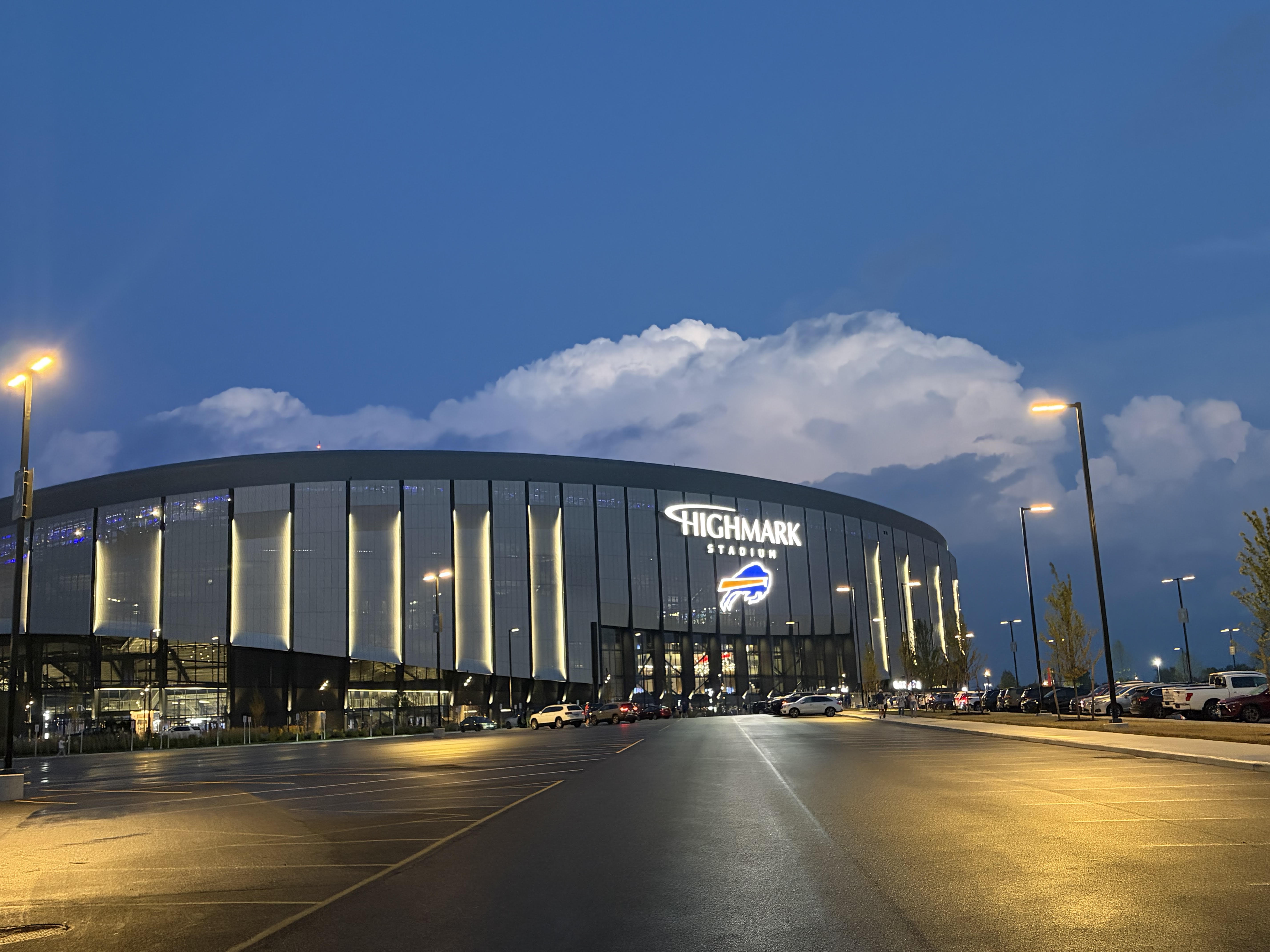
Highmark Stadium August 8, 2026.
The PSL Agreement Presents Some Significant Obstacles
The Bills’ PSL agreement is written to give the team and stadium entities considerable protection.
Among other things, the agreement states that a PSL is a contractual license rather than an ownership interest in a particular stadium seat. It also contains an “entire agreement” provision stating that the written agreement supersedes prior advertising, visual presentations, marketing materials and other communications.
Those provisions matter. A disappointed PSL holder cannot necessarily obtain a refund simply because the actual seat is less desirable than anticipated.
But that does not necessarily end the inquiry.
What If the Actual Seat Differs From What Was Represented?
The situation becomes more complicated if a purchaser was shown a seat-specific virtual rendering or other representation depicting an unobstructed view and relied upon that representation in deciding to purchase the PSL.
Published reports have already identified at least one PSL holder who claims she was assured that her seats would not have an obstruction, only to discover a railing interfering with her view when she entered the completed stadium.
That distinction could be important.
Under New York law, contractual disclaimers can substantially limit claims based upon alleged oral or marketing representations. But disclaimers do not invariably insulate a seller from every claim involving materially misleading representations or deceptive sales practices.
Depending upon the particular facts, a purchaser might explore theories including fraudulent or negligent misrepresentation, breach of contract, or claims under New York’s consumer-protection laws. Whether any such claim is viable would depend heavily upon exactly what was represented, what documents the purchaser received, the language of the PSL agreement, and the magnitude of the actual obstruction.
There is another potentially relevant consideration. New York has specifically regulated disclosure of obstructed-view tickets. Although the application of those provisions to the sale of a long-term PSL presents separate legal questions, New York’s statutory treatment of obstructed-view seating reflects an obvious consumer-protection concern: purchasers should know when the seat they are buying does not provide the view they reasonably expect.
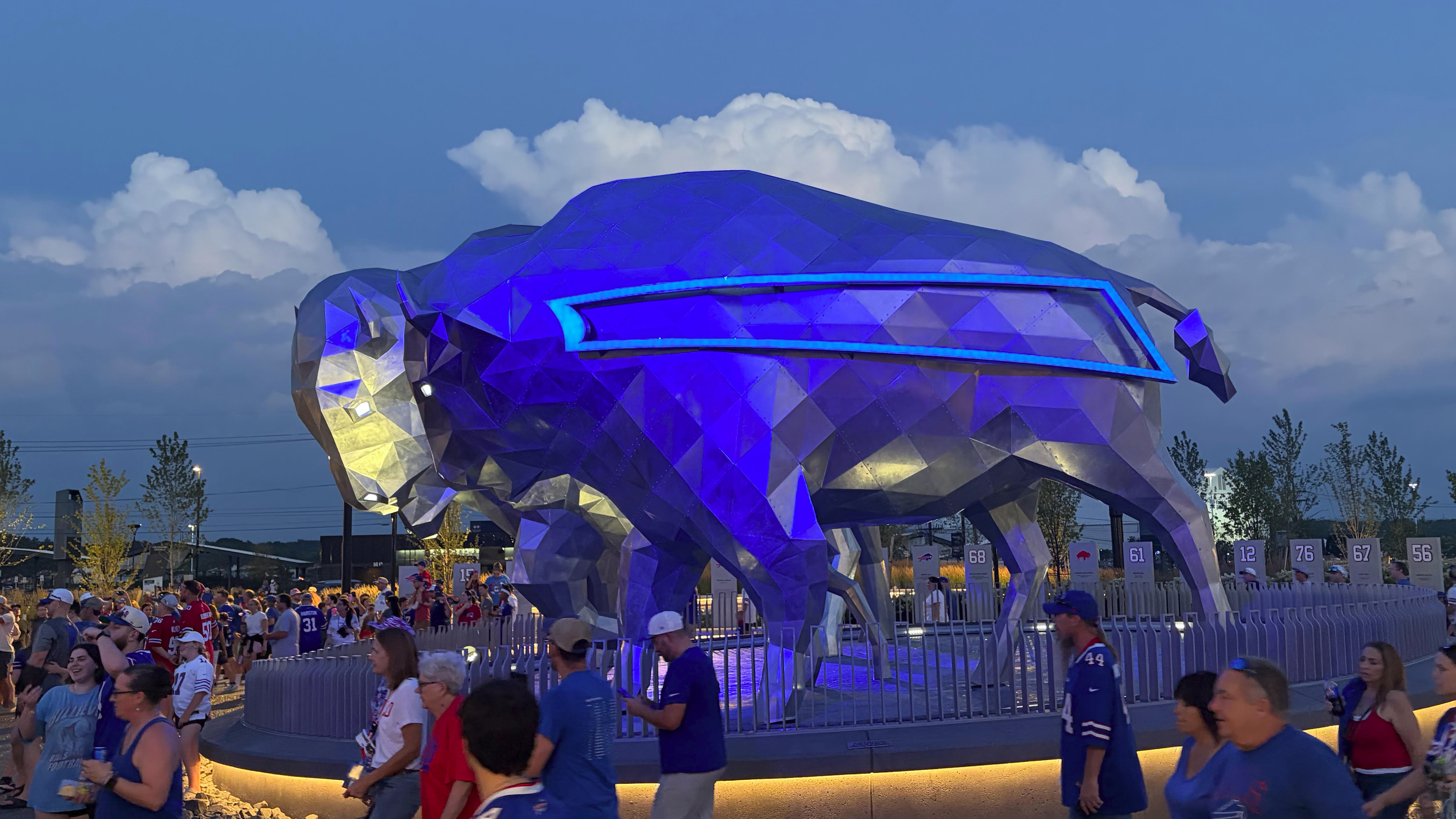
The 27' tall Buffalo outside the new Highmark Stadium.
What Should a Concerned PSL Holder Do Now?
For a PSL holder who believes the actual view materially differs from what was represented, the first step should probably not be litigation.
Document the situation.
Take photographs and video from the actual seat at normal eye level. Preserve screenshots of any virtual-seat representation used during the sales process. Save emails and text messages with the sales representative, brochures, promotional materials and notes concerning what was said during the purchase process.
Most importantly, locate the documents showing exactly what the purchaser saw when selecting the particular seat.
A PSL holder should then promptly raise the issue directly with the Bills and request a specific remedy. Depending upon the circumstances, that might mean relocation to a reasonably comparable unobstructed seat, modification of the obstruction if feasible, or potentially cancellation and reimbursement.
The Bills have publicly indicated that they are addressing sightline complaints on a case-by-case basis. PSL holders therefore have good reason to make their concerns known now rather than simply accepting a significant problem with seats they may have purchased for decades of use.
Not Every Obstruction Will Create a Legal Claim
There is an important practical limitation.
A railing that marginally interferes with a small portion of the field is very different from a structural obstruction that prevents a seated fan from seeing substantial portions of the playing surface. Likewise, a purchaser who was clearly advised of an obstruction before buying is situated differently from someone who was shown what appeared to be an unobstructed seat.
Ultimately, these disputes will be highly fact-specific.
But PSLs at the new stadium were significant purchases. Some fans committed thousands—or tens of thousands—of dollars based upon representations made before the stadium was completed and before they could physically sit in the seats.
If what was ultimately delivered materially differs from what a purchaser was shown and reasonably understood he or she was buying, it is appropriate to ask whether the purchaser should simply have to live with it.
The answer may depend upon the individual circumstances. But for affected PSL holders, it is a question worth asking—and one worth documenting now.
B. Kevin Burke, Jr. is a shareholder with Gross Shuman P.C. in Buffalo, New York. He regularly counsels New York- and Ontario-based clients on matters involving contract formation and disputes, labor and employment issues, intellectual property matters, business and commercial disputes, and related litigation. This article is provided for general informational purposes only and does not constitute legal advice. Every situation depends upon its particular facts and contractual documents.